Video games.
Cable TV.
Infinite scrolling on social media.
These are the often-cited causes of ADHD. There’s no arguing high-tech distractions are shrinking attention spans.
There’s also a hidden cause no one seems willing to talk about.
That cause?
It’s food.
The food you eat shapes your brain chemistry, body chemistry, attention span and more. If you suspect or know you or a loved one suffer from ADHD, shift your focus to food intake.
What to Eat to Mitigate ADHD
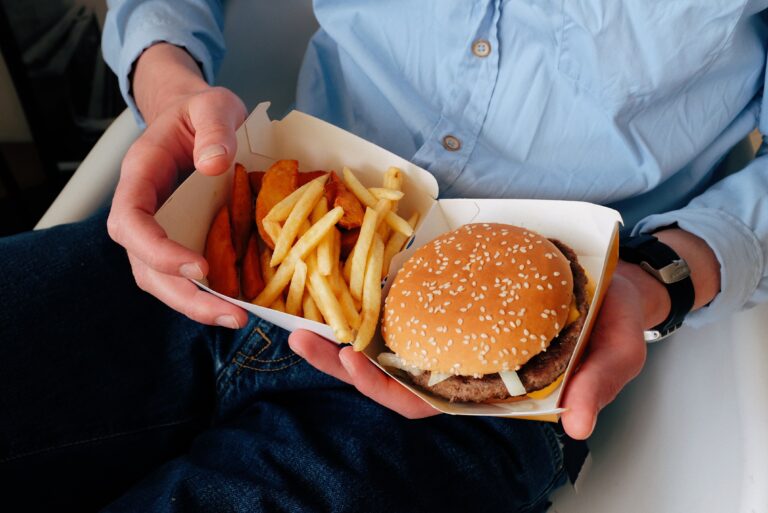
As you might have guessed, sugary sweets and processed foods are some of the worst for those who suffer from ADHD. Moreover, “gamer fuel” such as energy drinks, soda pop and other caffeinated drinks are not exactly optimal for ADHD-sufferers.
So, what, exactly, should ADHD patients eat to feel better and boost their attention span?
Truth be told, there is no single food or food group that is optimal for those plagued by ADHD. Nor is there an agreed upon list of foods that comprises an ideal ADHD diet.
Food psychologists in New Jersey are fond of pointing out the importance of brain chemistry for neurological health. Brain chemistry is also important for combatting ADHD symptoms and overarching long-term happiness.
In short, the foods, beverages, supplements and activities that benefit the brain are also effective in fighting ADHD.
Though it might not be possible to completely eliminate ADHD, minimizing its symptoms is a step in the right direction.
Focus on Protein
Ask an eating psychologist in NJ about the best foods for ADHD and you’ll find the focus is on protein. A diet that is high in protein is helpful in minimizing or even eliminating ADHD symptoms.
Protein is the building block of all forms of life. Though few know it protein in the form of amino acids combined with carbon and electrical sparks creates plasma, a substance some argue is a form of life.
The best part about protein?
It energizes, fueling the body and mind without the dreaded sugar crash that occurs with sweets, soda and energy drinks.
As an example, foods that contain protein include but are not limited to:
- Nuts
- Beans
- Meat
- Tofu
- Eggs
- Cheese
If you have a child, tween or teen struggling with ADHD, the foods listed above will be especially enjoyable in the morning or after school in the form of a snack.
In particular, high-protein foods have the potential to improve memory and cognition. In some instances, high-protein foods serve as complements to ADHD medications, making them effective for that much longer.
Omega-3 Fatty Acids
There is a common misconception that omega-3 fatty acids are exclusively available in the form of supplements. Though omega-3 fatty acid supplements serve a purpose, they are expensive and often create an unpleasant aftertaste.
Pivot to foods rich in omega-3 fatty acids to help treat your ADHD or that of your loved one and you’ll find the impact is noticeable. You’ll find seafood such as salmon and tuna contain omega-3 fatty acids. Most types of cold-water fish of the white variety also contain omega-3 fatty acids.
Up Your Complex Carbohydrate Intake
Carbohydrates get a bad rap without justification. Though simple carbohydrates such as muffins, bagels, white bread, pretzels and pastries are unhealthy, carbs of the complex variety provide cognitive benefit.
Here’s a little secret from our nutritional psychologist in New Jersey: the human body needs carbohydrates as it converts those carbs into glucose.
Why is glucose important?
Glucose is essential for the production of energy that keeps the brain and the body functional. Though few know it, all carbohydrates are comprised of sugar molecule chains that are either complex or simple in terms of molecular structure.
If you or a family member suffer from ADHD, zero in on the following healthy complex carbohydrates:
- Kiwi Fruit
- Apples
- Tangerines
- Oranges
- Grapefruits
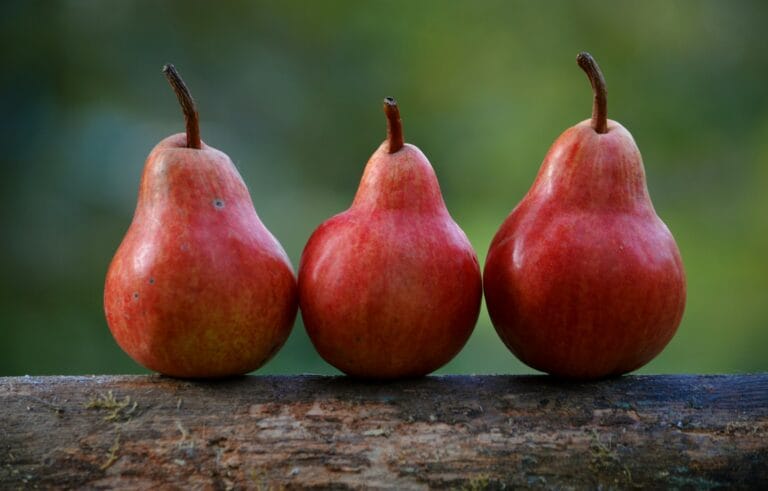
- Pears
It’s also worth noting eating the aforementioned complex carbohydrates in the evening hours after dinner might help you sleep better.
Here’s what’s most important: the data shows the more vegetables and fruits one consumes, the less severe ADHD symptoms are.
Creative Food Ideas for ADHD Patients
Kids and most adults have a strong and inherent craving for sweet treats. Instead of reaching for a candy bar or other sweet, grab a plum or apple.
Sliced apples and plums are optimal for lunchboxes. Both fruits contain the antioxidant of quercetin that helps protect against cognitive decline.
Be aware that quercetin is found in high concentrations in the skins of plums and apples so be sure to leave the skin on your fruit. Always buy organic apples and plums and wash them thoroughly before eating.
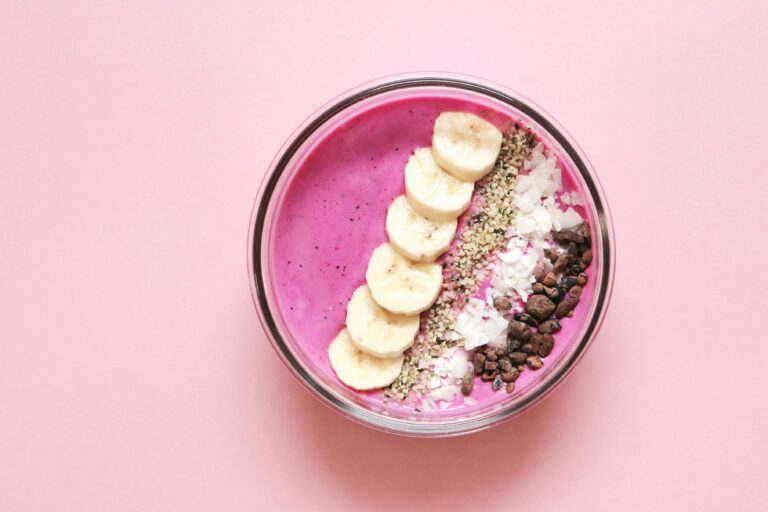
Greek yogurt is also a tasty idea for ADHD-sufferers. Add berries or sliced fruit to your Greek yogurt and you’ll feel sated. Be mindful of the fact that full-fat Greek yogurt has more protein than other yogurts, helping to keep your brain cells in optimal form, allowing for efficient information processing.
Greek yogurt combined with blueberries is the perfect combination, providing sufficient polyphenols. You can also use a cheese grater to shred a block of dark chocolate into your Greek yogurt for additional polyphenols. Polyphenols help keep the human mind as sharp as possible by boosting blood flow to the brain.
When in doubt, opt for eggs. Scramble some eggs or fold them into a tortilla consisting of complex carbohydrates in the form of whole grains and you’ll receive a protein boost that helps minimize ADHD symptoms.
There’s also the option of making egg salad for use in sandwiches. If you want to add some flavor to otherwise bland egg salad, consider incorporating green olives for a tastier concoction you and your kids will absolutely love.
Pivot to the Right Beverages
Complement the food ideas recommended above with the right beverages and you’ll be that much closer to minimizing or even defeating your ADHD symptoms. The first step is to recognize the threat of caffeine. Caffeine is a stimulant that exacerbates ADHD symptoms.
Some ADHD patients already take medication for their ADHD that has a stimulating ingredient. The addition of yet another stimulant such as caffeine will worsen the stimulation including ADHD symptoms.
Though a cup of coffee or an energy drink creates the illusion of a hyper-focus, that brief period of intensity is short-lived. An ensuing crash and attention deficit will soon occur.
Instead of downing cup after cup of coffee, tea, soda pop or energy drinks, pivot to water.
Flavor your water with fresh lemon or lime slices for a flavor boost that satiates, creating a feeling of fullness that prevents overeating.
Food Alone is not Enough to Combat ADHD
Food is only one piece of the puzzle when it comes to solving the riddle of ADHD. Ideally, you’ll visit with a food psychiatrist in NJ once per week or every couple weeks for guidance.
A food psychiatrist will analyze your unique diet, highlight deficiencies, pinpoint opportunities for improvement and help you minimize or even eliminate ADHD symptoms.
It will also help to take the right supplements. In some instances, a mineral or vitamin deficiency is the underlying cause of ADHD. If you aren’t receiving enough vitamins, minerals or other nutrients, your ADHD will linger and possibly even worsen.
Though eating a balanced, so-called “normal diet” might minimize or even eliminate the need for micronutrient or vitamin supplements, doing so would require the consumption of a considerable amount of food.
Instead, consider the alternative approach of supplementing food with vitamins. As an example, zinc has the potential to help those suffering from ADHD.
If you are deficient in zinc due to a vegan diet or a vegetarian diet, consider incorporating some zinc supplements.
Iron, Magnesium, Vitamin D and More
Iron is also important for ADHD-sufferers. If you have an iron deficiency, you are more likely to develop or experience egregiously destructive ADHD symptoms. Give iron and/or zinc supplements a try and you’ll find they help minimize or even eliminate ADHD symptoms.
Zero in on magnesium. Though it has not been proven that a deficiency in magnesium might cause or contribute to ADHD, those who take magnesium supplements have reported decreases in behavioral and social problems commonly associated with ADHD.
Vitamin D is also important for those plagued by ADHD. Up your intake of vitamin D and you’ll likely notice a meaningful improvement in behavior and attention span along with a reduction in hyperactivity.
The optimal approach is to combine the ideal ADHD foods with the guidance of a food psychologist in New Jersey, supplements and other strategies for a comprehensive approach.
As an example, making the changes suggested above might not yield the best possible outcome if you don’t make a concerted effort to minimize your use of social media, video games, internet and your smart phone.
The moral of the story?
Beating ADHD rarely happens alone.
There’s no shame in asking for help. In particular, a food psychologist in Basking Ridge will help you minimize or even defeat your ADHD with a custom-tailored approach to food and nutrition developed specifically for you.
Help is Available From a New Jersey Food Psychologist
The strongest people are willing to ask for help. Please be aware that you are not alone in your struggle.
If you have the will to improve yourself, our NJ food psychologist will show you the way.
Dial 908-844-8547 to schedule an appointment with our food psychologist.