Depression is often attributable to poor self-image, relationship woes, loneliness and traumatic life experiences. There’s no denying such life events and factors cause depression.
Control matters most.
You don’t have full control over how you look. Nor do you have control over a significant other or a potential significant other. Trauma can be inflicted on you for no good reason.
There is one thing you have control over: food.
Contrary to popular belief, food is sometimes the underlying cause of depression.
Food’s Power to Depress
Though it might seem a bit ironic and oxymoronic, food has the potential to depress. On the surface, food’s depressive power doesn’t make sense.
After all, we eat to feel full and happy.
Delve beyond the surface of sustenance with the help of an NJ food psychiatrist and you’ll find some foods have chemical components that sour the mind, body and spirit.
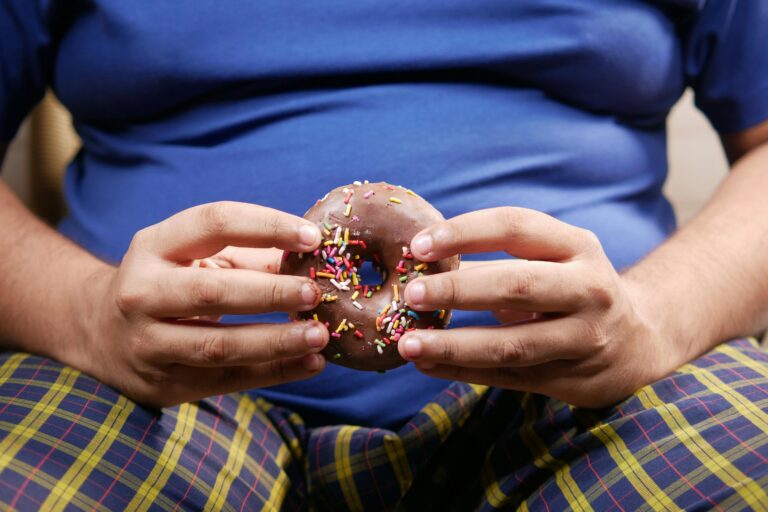
As an example, think back to the last time you ate too much chocolate or sugar. You began the intake of sweets with a smile, felt euphoric and likely experienced a sugar rush.
The “rush” of sugar has an equal and opposite reaction in the form of a crash. Simply put, eating any more than a small serving of chocolate or sugar can lead to depression and sadness.
But why?
Food depression goes beyond the “law of diminishing marginal returns” that states the more you pursue something, the less rewarding it becomes.
Let’s take a quick look at the science that backs food-induced depression.
The Science of Food Depression
If you are feeling depressed, there’s a chance you can trace those negative feelings back to your food intake. Instead of viewing food as a source of pleasure, make a mental pivot.
It’s time to view food as fuel for your body and mind. Some even go as far as reframing food as medicine. Though few know it, onions were originally consumed in large quantities for their medicinal purposes.
In contrast, sugar, simple carbohydrates, some fats and alcohol should be viewed as poison for the body and the mind.
Consider the eye-popping results of a meta-analysis of dietary patterns and depression risk. The analysis reveals depression is more common in those with diets containing a high level of refined grains, sugar, red/processed meat and/or dairy high in fat combined with a low intake of fruits and vegetables.
Alternatively, diets consisting of a high level of the following combined with minimal meat and animal byproducts were linked to a lower depression risk:
- Vegetables
- Fruits
- Fish
- Whole grain
- Low-fat dairy
- Olive oil
Enter the age-old question of what came first: the chicken or the egg?
In the context of food and depression, some experience depression before dietary alterations. In other instances, food is the direct cause of depression.
Here’s the takeaway: though depression is more likely to cause one to consume unhealthy foods that lead to even more depression, there’s no arguing poor eating habits cause and worsen depression.
The claim made above is backed by analyses that examined prospective studies in which baseline diets were studied to determine the risk of participants becoming depressed.
The analysis revealed those consuming a healthy diet were significantly less likely to develop symptoms of depression.
Suggestions to Improve Your Mental Health Through Careful Dieting
Before buying the next grocery store item or lifting a spoonful to your mouth, take a moment to think.
Think about how you will feel after eating that food item; not only in the ensuing seconds but the minutes and hours ahead.
Here’s the uncomfortable truth most of us don’t want to think about: unhealthy food tastes good in the moment and makes us feel good in the next seconds yet that pleasure dissipates in mere minutes. Fast forward an hour and those sweets, salty snacks, alcohol and other goodies make us dehydrated, bloated and sad.
Instead of giving into temptation for short-term happiness, take the advice of our Basking Ridge food psychologist: strive for long-term happiness. Prolonged happiness in the years ahead requires a heightened awareness before, during and after eating.
Instead of eating what tastes good, prioritize food that makes you feel good. Replace unhealthy snacks, treats and red meat with plants, unprocessed whole grains, nuts, seeds and lean proteins.
There’s no need to completely remove all salt, sugar, meat and alcohol from your diet. Rather, it is beneficial to your mental and physical health to consume such “cheat” foods in moderation.
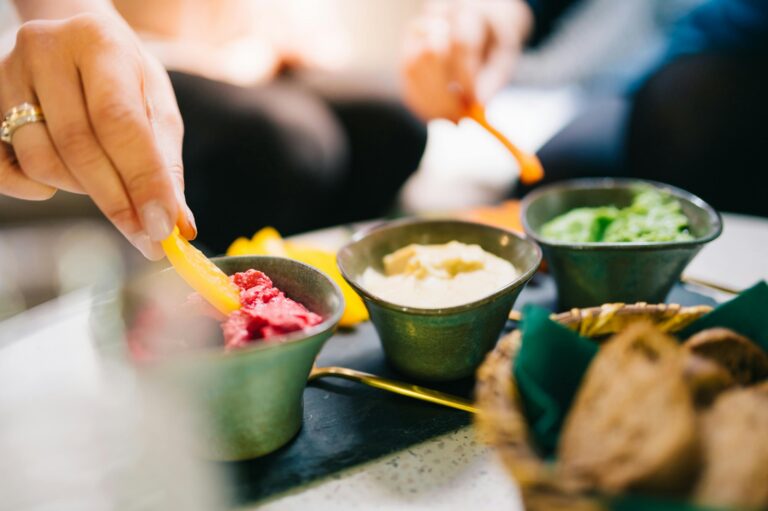
As an example, instead of reaching for a candy bar or a pint of ice cream, opt for celery with peanut butter.
Even munching on broccoli crowns instead of potato chips will make a meaningful difference in your state of mind.
Embrace Food Experimentation
How will you know if food is the secret cause of your depression?
You won’t unless you experiment. Our NJ nutritional psychologist is here to help.
This is your opportunity to become a scientist conducting a personal gut-brain chemistry experiment in which you alter independent variables.
Spend the next week replacing scrumptious sugary treats, salty snacks and red meat with healthy alternatives. Opt for low-fat yogurt instead of sugar-laden candy.
Choose popcorn, celery and carrots instead of salty chips and pretzels. Replace red meat with fish or a meat alternative containing protein and minimal chemical additives.
Write down your mood, feelings and mind state throughout the course of the experimentation week in a personal journal. Discuss your journal entries with your food psychiatrist in New Jersey.
If you notice a decline in depressive symptoms during or after the week, it’s an indication that your diet was the secret cause of your depression.
Be Mindful of Your “Food Mood”
Depression is a prolonged thought disorder that has the potential to last a lifetime. In contrast, mood is comparably brief and much more dynamic, meaning it is more likely to change.
A heightened personal awareness empowers you to discern between mood and depression.
As an example, caffeine intake overstimulates the central nervous system, causing the heart rate to increase and anxiety to occur. The consumption of coffee, soda pop and energy drinks has the potential to energize you to the point that sleeping becomes difficult. Sleep loss exacerbates anxiety and depression.
Even fried foods can cause mood disorder. Rife with trans fats and omega-6 fatty acids, fried food has the potential to boost oxidative stress and promote inflammation. Both inflammation and oxidative stress have been tied to mood disorders.
Alcohol consumption calms the nerves as it is a central nervous system depressant. The downside to drinking alcohol is that the calming effect is temporary. The consumption of alcohol heightens anxiety, mood and irritability.
Continue to consume alcohol and it will inevitably compromise the brain’s pathways for data transfer, ultimately disrupting neurotransmitter balance, along with the dopamine and serotonin chemicals that regulate emotional stability and mood.
The impact of alcohol extends beyond mood. Prolonged and chronic alcohol consumption has been linked to oxidative stress and inflammation tied to depression.
The moral of this story is that food has the potential to impact both short-lived moods and depression.
Be mindful of your feelings and thought patterns in both the short-term and the long-term after consuming food, then exercise discernment to determine if your diet is causing mood shifts or depression. Our nutritional psychiatrist in NJ is here to help.
Focus on These Foods to Sidestep Depression
Certain foods minimize depression while others worsen or even cause it. If you are depressed, have been diagnosed with depression in the past or are concerned about your mental health, proactively choose depression-fighting foods.
Omega-3 fatty acids found in the following foods support mental health:
- Mackerel
- Sardines
- Salmon
Incorporate such fatty fish into your diet with the help of our NJ food psychologist and you’ll decrease inflammation, boost neurotransmitter functionality in your brain and also enjoy a more stable mood.
Moreover, there is scientific evidence showing foods laden with omega-3 fatty acids have also been proven to decrease the symptoms depression and anxiety.
Omega-3s are also found in plant-based food including:
- Walnuts
- Chia seeds
- Flaxseeds
However, a significant amount of these foods would have to be consumed to derive meaningful mental health benefits.
Those adhering to a vegan or vegetarian diet are encouraged to consider supplements containing omega-3 fatty acids, vitamin B and protein. As an example, many vegans are turning to algae-based supplements to improve mental health and ward off potential depression.
Food containing vitamin D also helps fight depression. Vitamin D shapes the generation of neurotransmitters within the brain such as the “happy chemical” of serotonin.
Those with insufficient vitamin D levels are more likely to feel both depressed and anxious as they are experiencing inflammation and a weakened immune system.
Add the following foods to your diet for an infusion of vitamin D:
- Egg yolks
- Cheese
- Beef liver
- Fatty fish
- Cod liver oil
- Fortified products
Examples of fortified products containing vitamin D include cow milk, soy milk, almond milk and some cereals.
Last but not least, zero in on foods with zinc.
Zinc enhances brain neurotransmitter activity, decreasing both inflammation and oxidative stress. You can boost your zinc level through foods such as:
- Crab
- Oysters
- Fortified cereal
- Pumpkin seeds
- Dairy products
- Lentils
- Cashews
- Chicken
Continue your heightened zinc intake and you’ll feel less depressed.
You Have the Willpower. This is the Way
It is often said, “If there is a will, there is a way.” The adage holds true in the context of nutritional psychology.
Your willpower carried you to these words. The time has come to learn the way of nutritional psychiatry from a mindful eating specialist in New Jersey.
Schedule an appointment with our food psychiatrist in Basking Ridge, New Jersey by dialing 908-844-8547 and you’ll be one step closer to transforming your relationship with food.